During Construction Safety Week, it’s critical to focus on real-world hazards that crews face every day. One of the most overlooked but potentially deadly risks on a jobsite is
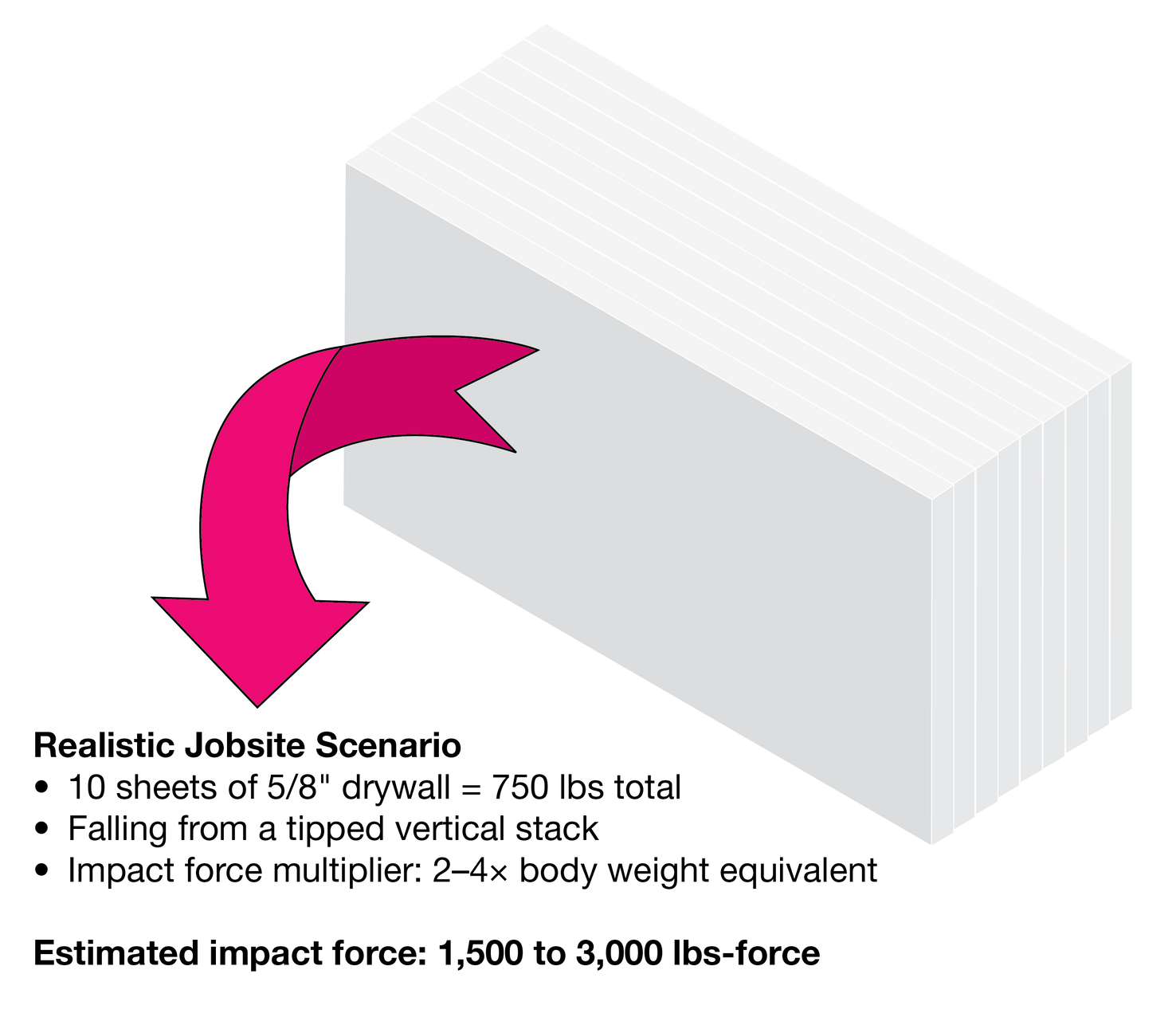
horizontally stacked drywall tipping over. Drywall is stocked horizontally but angled against wall or structure and if not fastened with clips can tip.
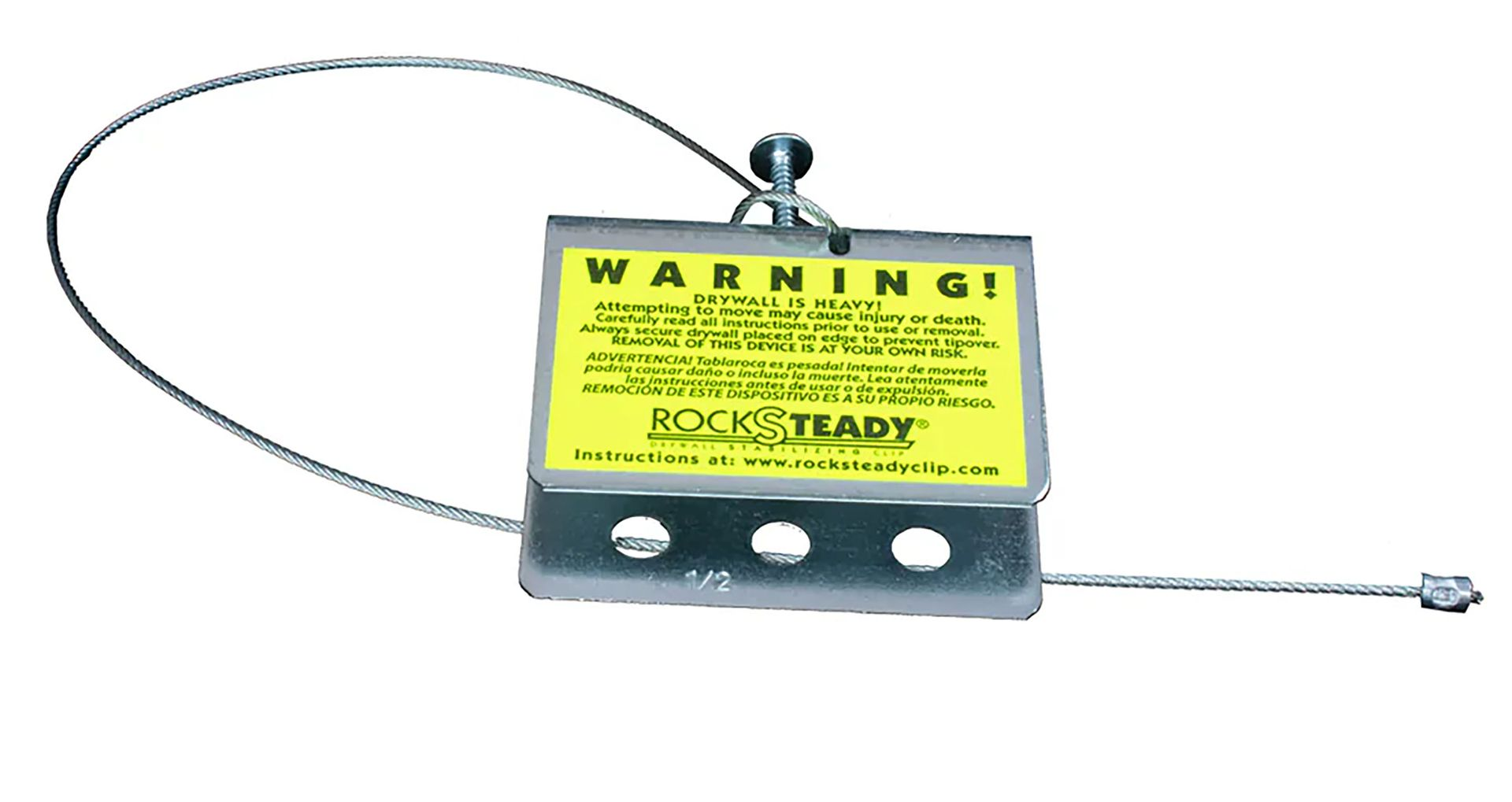
That’s where drywall stabilizing clips come in.
Often seen as optional or overlooked entirely, these clips are one of the simplest ways to prevent serious injuries, protect crews, and maintain a safe, organized jobsite.
The Real Danger: Drywall Tip-Overs
Drywall is commonly stored horizontally against interior or exterior wallsto save space and improve handling efficiency—but without proper stabilization, it creates a major hazard.
- A typical drywall stack can exceed
2,000 pounds
- Unsecured stacks can
tip suddenly and without warning
- Workers, visitors, and other trades are all at risk
Injury scenarios include:
- Crush injuries to legs and feet
- Head trauma
- Trapped by tight spaces
- Potential fatalities in severe cases
According to safety guidance, unsecured stacked drywall is a
recognized jobsite hazard with serious injury potential.
Best Practices for Safe Drywall Storage
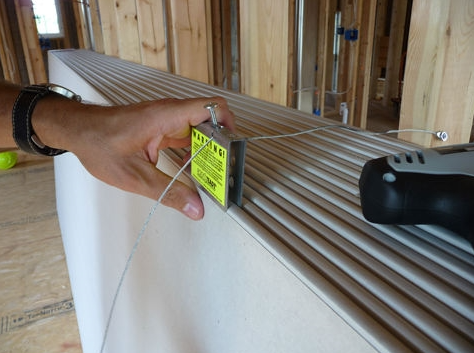
Using clips is only part of the solution. Proper setup and installation are what make them effective.
1. Always Secure Horizontally Stored Drywall
If drywall is stored on edge, it should
never be left unsecured
even temporarily. Clips should be installed immediately after delivery and stacking.
2. Maintain Proper Lean Angle
Drywall stacks should be placed:
- 4–6 inches off the wall at the base
Too little lean increases tip-over risk. Too much lean can create excessive pressure on framing.
3. Follow Clip Spacing Guidelines
- Install
one clip every 6 feet
- Place clips at least
2 feet from sheet ends
- Use additional clips for longer sheets (12'+)
Consistent spacing ensures the entire stack is stabilized—not just one section.
4. Match Clip Size to Drywall Thickness
Using the wrong clip size reduces effectiveness. Always match:
- 1/2" clip → 1/2" drywall
- 5/8" clip → 5/8" drywall
5. Inspect Before and During Use
Before installation:
- Verify wall/framing can handle the load
- Check clips for damage or wear
After installation:
- Ensure cables are tight
- Confirm clips are flush with the outer sheet
Damaged or improperly installed clips should never be reused .
Why This Matters: Safety, Productivity, and Culture
Drywall stabilizing clips aren’t just about compliance, they impact every part of a project:
Safety
They significantly reduce the risk of
tip-over incidents and worker injury.
Productivity
Vertical storage (when properly secured) reduces strain and improves material handling efficiency.
Culture
When the use of safety measures like stabilizing clips are reinforced as company standards. You build a culture of accountability not only for yourself, but each member of the team. Everyone goes home safe at the end of the day.
Additional Jobsite Safety Tips
To further reduce risk around drywall storage:
- Keep storage areas
clearly marked with warning signage
- Limit access to stacked materials
- Avoid storing drywall in high traffic walkways
- Communicate hazards during daily safety briefings
- Coordinate with other trades working in shared spaces
Safety Is a System Not a Single Action
Drywall stabilizing clips may seem like a small detail, but they address one of the most serious—and preventable—hazards on a jobsite.
The reality is simple:
If drywall is stacked horizontally and not secured, it’s a risk.
Take the time to reinforce this standard across every project:
- Secure every stack
- Train every crew
- Inspect every installation
Because preventing one accident isn’t just good practice—it’s the responsibility we carry on every jobsite.
Why This Matters: Safety, Productivity, and Culture
Drywall stabilizing clips aren’t just about compliance—they impact every part of a project:
Safety
They significantly reduce the risk of
tip-over incidents and worker injury.
Productivity
Vertical storage (when properly secured) reduces strain and improves material handling efficiency.
Culture
When the use of safety measures like stabilizing clips are reinforced as company standards. You build a culture of accountability not only for yourself, but each member of the team. Everyone goes home safe at the end of the day.
Additional Jobsite Safety Tips
To further reduce risk around drywall storage:
- Keep storage areas
clearly marked with warning signage
- Limit access to stacked materials
- Avoid storing drywall in high-traffic walkways
- Communicate hazards during daily safety briefings
- Coordinate with other trades working in shared spaces
Safety Is a System—Not a Single Action
Drywall stabilizing clips may seem like a small detail, but they address one of the most serious—and preventable—hazards on a jobsite.
The reality is simple:
If drywall is stacked horizontally and not secured, it’s a risk.
Take the time to reinforce this standard across every project:
- Secure every stack
- Train every crew
- Inspect every installation
Because preventing one accident isn’t just good practice—it’s the responsibility we carry on every jobsite.